
"instant coffee history"
1000 article(s) found

The first wave and the second wave in the history of boutique coffee
Time has entered 2014, looking back on the past road, friends can still recall the coffee we came into contact with? From instant coffee when we were still in high school to all kinds of coffee chains and coffee and tea clubs after college, our understanding of coffee is also slowly changing with the passage of time. We need to know him before we talk about the third wave of boutique coffee.

Analysis of three Coffee Trends in the World knowledge of instant coffee, Starbucks coffee and boutique coffee
From instant drinking to sitting in a coffee shop to hand brewing, this is the love process between most coffee lovers and coffee. Importantly, this is also a true portrayal of the three waves of coffee. When you drink coffee, you have to know its history. The first wave of coffee arose from instant coffee, represented by Nestl é and Maxwell, which tasted delicious and Didi fragrant, almost the enlightenment of mainland coffee.

A detailed explanation of the three coffee waves in the history of boutique coffee
The first coffee wave: in the 1930s and 1940s, the US military took coffee as a necessity around the world to prevent combat fatigue, and the bitterness of coffee was known by the public as a pick-me-up. Then the invention and rise of instant coffee. The second Coffee Wave: after World War II, the Italian method of steam pressure extraction of espresso began to be familiar and accepted.

Coffee Culture History Coffee History Chronicle
Coffee fruit was found in Ethiopia in the 6th and 7th centuries; Rhazes, a famous doctor in the Arab region in the 10th century, was considered to be the first person in history to record coffee in the literature; 1100 yuan, the first recorded coffee trees were planted in the Arabian Peninsula, after roasting and cooking, coffee was called Gahwa, meaning Islamic wine; in the 13th century, people
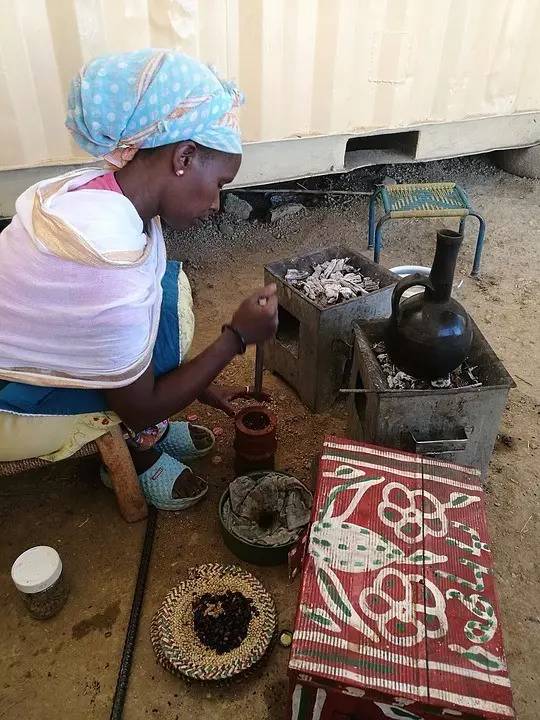
Barista must know the chronicles of coffee! Coffee History Review
How do you create coffee? Why not? Coffee tournaments around the world and a $30 billion export industry, how did we get here? Also, how did the first, second, third and even fourth waves of coffee come about? If you've ever thought about these questions, be prepared. Old Walter will lead you from the 14th century onwards.

What you don't know about coffee Yunnan Coffee Chinese Coffee Development History
Professional coffee knowledge exchange more coffee bean information Please follow the coffee workshop (Wechat official account cafe_style) Coffee is imported in China, but do you know that coffee is also imported to Europe and America, and the real name of coffee is not coffee? In Ethiopia, there is a province called Kafa province, which produces a kind of plant fruit, which is mellow, sweet, fruity and sour.

Fine Coffee Culture, History, Coffee History
In 1000 there was a doctor in Bukhara, and the philosopher was the first to record the therapeutic effects of coffee. The application of 1470-1500 coffee spread to Mecca and Masterna. 1517 brought coffee to Constantinople after conquering Egypt. The first coffee shop in Costantinople opened in 1554. 1570-80 the order of religious institutions in Costantinople
Three waves of coffee in history
The first coffee wave: in the 1930s and 1940s, the US military took coffee as a necessity around the world to prevent combat fatigue, and the bitterness of coffee was known by the public as a pick-me-up. Then the invention and rise of instant coffee. The second Coffee Wave: after World War II, the Italian method of steam pressure extraction of espresso began to be familiar and accepted.

Chinese coffee culture the history of coffee introduced into China is not long.
The history of the introduction of coffee into China is not long, and it was not until 1884 that coffee was first planted in Taiwan Province. In the mainland of the motherland, the earliest coffee cultivation began in Yunnan. At the beginning of the 20th century, French missionaries brought the first batch of coffee saplings to Binchuan County, Yunnan Province, and began to grow coffee in the mainland. In terms of natural conditions, many parts of our country and
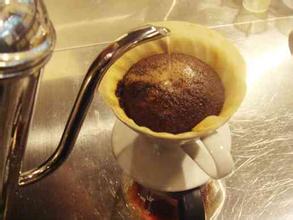
Boutique coffee beans: the origin of the third wave of boutique coffee to understand the history of coffee
If you love coffee and have always been keen on adding milk and sugar, or only pursuing the sweet coffee of caramel macchiato, or fancy coffee with cream and chocolate sauce. Then you may soon be OUT! Because at present, a new wave of coffee has hit, and the dark tide is surging in the land of China, it is the third wave of coffee revolution boutique coffee. Coffee, it's like flowing.
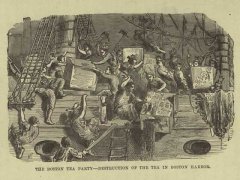
Coffee Culture in an important era in American Coffee History
Coffee training Culture: an important era in American Coffee History 1652-the first coffee shop opened in Britain, when the price of a cup of coffee was a penny; now the average American price of an Espresso-based coffee drink is $2.45; and in 1773-after the Boston Tea Party, the Continental Congress declared coffee the official national drink of the United States. Today, on average, every American
Brief introduction of instant coffee
Instant coffee is a brewing drink made from coffee beans.

A brief introduction to the Origin, Development, History and Culture of Malay Fine Coffee beans with full Fruit
Mafeel is a language taken from the Zou people of the Alpine nationality in Alishan, which means delicious. Alishan is the area where coffee is grown, while the Alishan coffee is grown by the Zou people themselves and is also named Mafeel, and the coffee grown belongs to Taiwan coffee. Due to the low production of Mazu coffee in Alishan, Taiwan coffee is scarce. Alishan Mazu (Mafeel

A brief introduction to the History and Culture of the Origin and Development of Malay Fine Coffee beans
Mafeel is a language taken from the Zou people of the Alpine nationality in Alishan, which means delicious. Alishan is the area where coffee is grown, while the Alishan coffee is grown by the Zou people themselves and is also named Mafeel, and the coffee grown belongs to Taiwan coffee. Due to the low production of Mazu coffee in Alishan, Taiwan coffee is scarce. Alishan Mazu (Mafeel

With the rapid development of coffee in China, there has been a qualitative breakthrough in the planting area and total output.
According to current market data, emerging countries represented by China, Brazil, Russia, India and South Africa currently consume 20% of the world's coffee, which will reach 35% by 2020. Domestic consumers have a growing demand for coffee. In recent years, the world coffee giants have seized the Chinese market, and domestic coffee companies have also begun to build local coffee brands.

History of Coffee Culture introduction to the Development History of Coffee
Coffee fruits were found in Ethiopia in the 6th and 7th centuries; Rhazes, a famous doctor in the Arab region in the 10th century, was considered to be the first person in history to record coffee in literature; the first recorded coffee trees were planted in the Arabian Peninsula in the 11th century, and after roasting and cooking, coffee was called Gahwa, meaning Islamic wine; in the 13th century, people began to taste it

World Coffee History
In the sixth century, Ethiopian shepherds discovered red coffee fruits. In the eleventh century, Arab merchants spread coffee to Europe. In the 16th century, Franz Geora Kolschitzky, a Viennese, established the first coffee shop in Europe. He also started the trend of drinking coffee with milk. In 1554, coffee in Istanbul became black gold, and it was very popular with Ethiopian shepherds in the sixth century.

Chinese coffee culture
The history of the introduction of coffee into China is not long, and it was not until 1884 that coffee was first planted in Taiwan Province. In the mainland of the motherland, the earliest coffee cultivation began in Yunnan. At the beginning of the 20th century, French missionaries brought the first batch of coffee saplings to Binchuan County, Yunnan Province, and began to grow coffee in the mainland. In terms of natural conditions, many parts of our country and
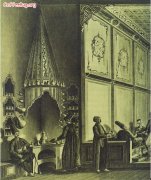
An Analysis of the Development of Coffee History in the World
Sixth century Ethiopian shepherds found red coffee fruit 11th century Arab merchants spread coffee to Europe in the 13th century Arab-centered Islam drank coffee by roasting and grinding raw beans in 1529 the Viennese Franz Geora Kolschitzky established the first coffee shop in Europe, he also opened the atmosphere of drinking coffee with milk 15